This article contains spoilers for American Classic.
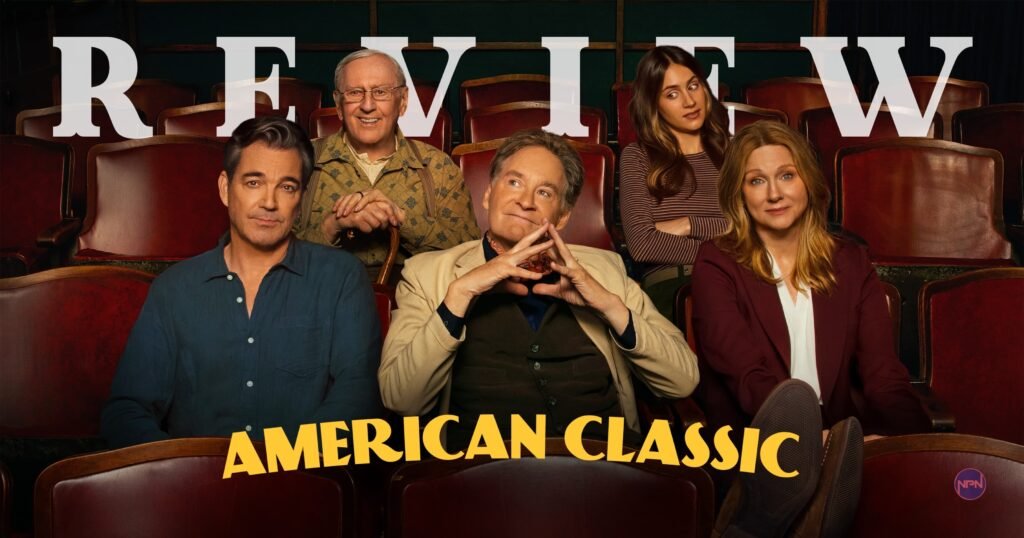
If you are a fan of theatre, American Classic has likely been on your radar for some time. Created by Michael Hoffman and Bob Martin, the series premieres on March 1 with a two-episode launch, followed by weekly installments on MGM+ until April 12. It sees Martin, one of the creators and writers behind Slings & Arrows, which is set at the fictional New Burbage Festival, a Shakespearean festival in the vein of the real-world Stratford Festival, return to his theatrical roots. Across eight half-hour episodes, it proves decent enough, yet plays more like background noise you might endure at your grandparents’ house than essential viewing. It’s pleasant and occasionally charming, but almost entirely forgettable.
Kevin Kline stars as Richard Bean, a once-revered Broadway actor whose ego has long surpassed his talent. The series opens with him starring in King Lear on Broadway, a role he treats as confirmation of his own greatness. Despite his ex-wife, Polly (Jessica Hecht), insisting the reviews are strong, theatre critic Xander (Stephen Spinella) pans his performance. Once a champion of Richard’s, Xander now criticises one performance after another, becoming indistinguishable from the critical voice forming in Richard’s head.
Drunk and defensive, Richard retaliates, spewing a rant at Xander and his partner, Troy (Aaron Tveit). He calls them “unnatural hags,” a line taken from King Lear, but intent hardly matters once the clip circulates online. The moment goes viral, with people branding Richard a homophobe. In an industry largely powered by LGBTQ+ artists and audiences, few people easily forgive such vitriol. It’s hard to imagine that a disgraced Broadway star’s bid to rescue his hometown theatre and its fortunes will do much to earn it.
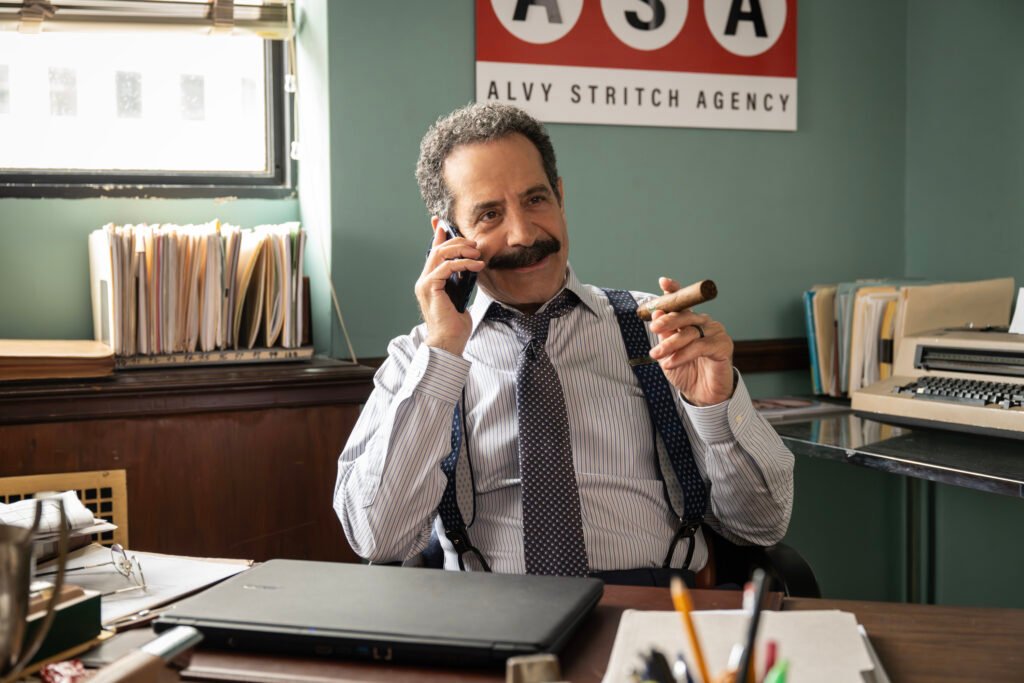
His agent, Alvy (Tony Shalhoub), prepares an apology, complete with a convenient explanation involving alcohol and back pain medication. Richard, predictably, has no interest in remorse and wants to return to the stage. Instead, he is placed on a forced hiatus, which Richard sees as banishment. The timing is narratively convenient. A death in the family takes Richard back to Millersburg, a place he has not visited in three years. Waiting for him are his brother Jon (Jon Tenney), Jon’s wife and Richard’s ex-girlfriend Kristen (Laura Linney), their daughter Miranda (Nell Verlaque), and his father Linus (Len Cariou), who has progressive dementia.
American Classic is at its most interesting when focused on Kristen and Richard. Long before she was Jon’s wife and Millersburg’s mayor, Kristen was Richard’s stage partner and girlfriend. Though that relationship ended, it never quite feels like the pair is truly done with the other. Kline and Linney share a chemistry that makes it easy to believe they were once starlets, intertwined on and off stage.
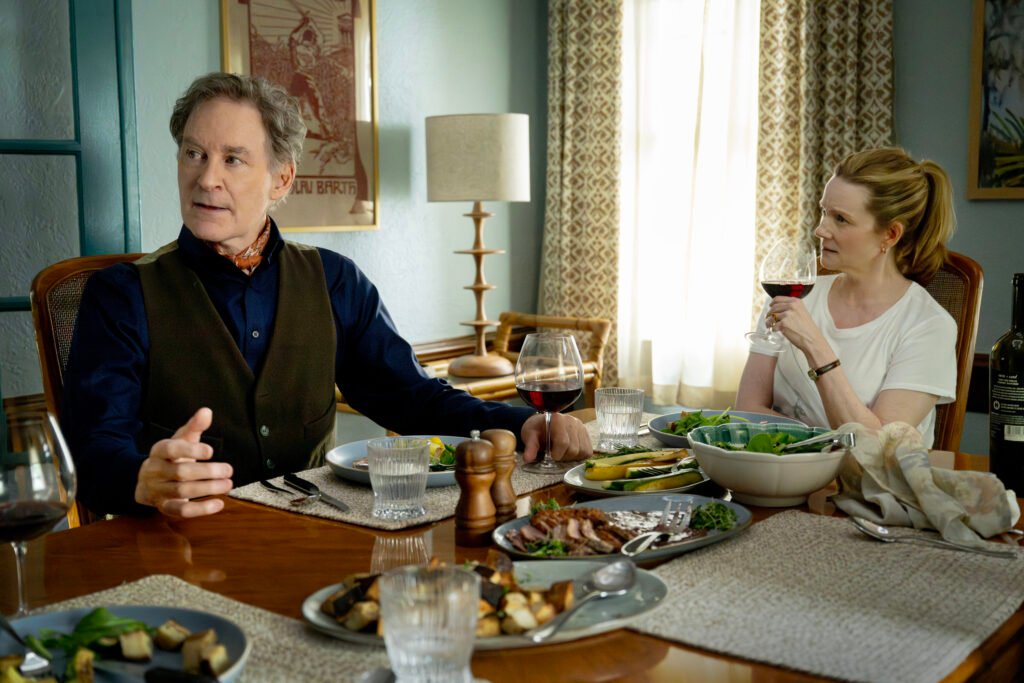
Over dinner with Jon, Kristen and Miranda, old wounds resurface. Richard insists he succeeded in New York because he had more talent than Kristen, while she frames the end of her stage career differently, pointing out that she was too busy looking after him. His selfishness is staggering – he even wants a photograph of himself placed on stage at his mother’s funeral. Miranda, meanwhile, dreams of acting, much to Kristen’s disapproval.
Complicating matters, the family theatre, where Richard first recognised his own brilliance, now operates as a dinner theatre staging Forever Plaid and Nunsense. Richard is horrified, less by what it says about Millersburg than what it means for the Bean family name. Any hope of returning to Broadway comes with two conditions: he may resume King Lear, but only after a psychological evaluation and two weeks of anger management. Rather than agree, Richard turns his attention homeward. With the town theatre in jeopardy, he refuses to let it close. Determined to restore its spirit, he announces plans to direct and star in Thornton Wilder’s Our Town with local actors.
What follows is a sweet attempt to save the theatre, Millersburg, and Richard himself from his loneliness in New York. The plot is predictable, with its main twist obvious from the first episode. That does not mean the fallout is not enjoyable to watch. It is.
At the centre of the fallout is Connor Boyle (Billy Carter), a wealthy developer eager to help the town, though he comes across as a cartoonish villain more suited to a pantomime. Kristen, desperate to keep Millersburg afloat, finds herself negotiating with him whether she wants to or not. Richard, too, is forced into a deal. His grand staging ambitions are better suited to the United Palace than a struggling community theatre.
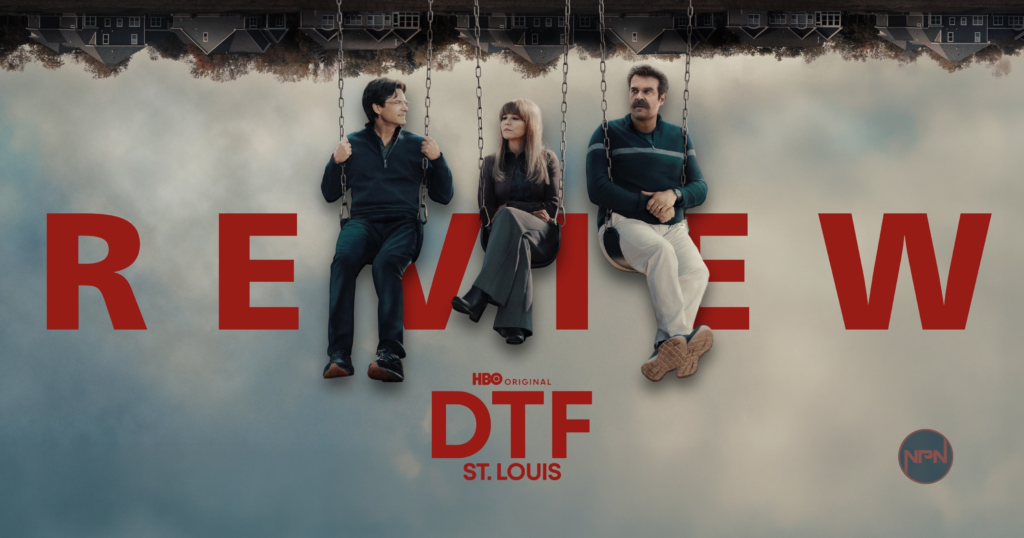
By the halfway mark, it becomes increasingly baffling that this marks Laura Linney’s first series since Ozark ended in 2022. Her former co-star Jason Bateman, meanwhile, has a new HBO series, DTF St. Louis, debuting the same day. It is difficult not to question how an actress of Linney’s calibre has found herself in something that often resembles MGM+’s weekday afternoon soap opera. She remains the highlight, but she can only elevate the material so far.
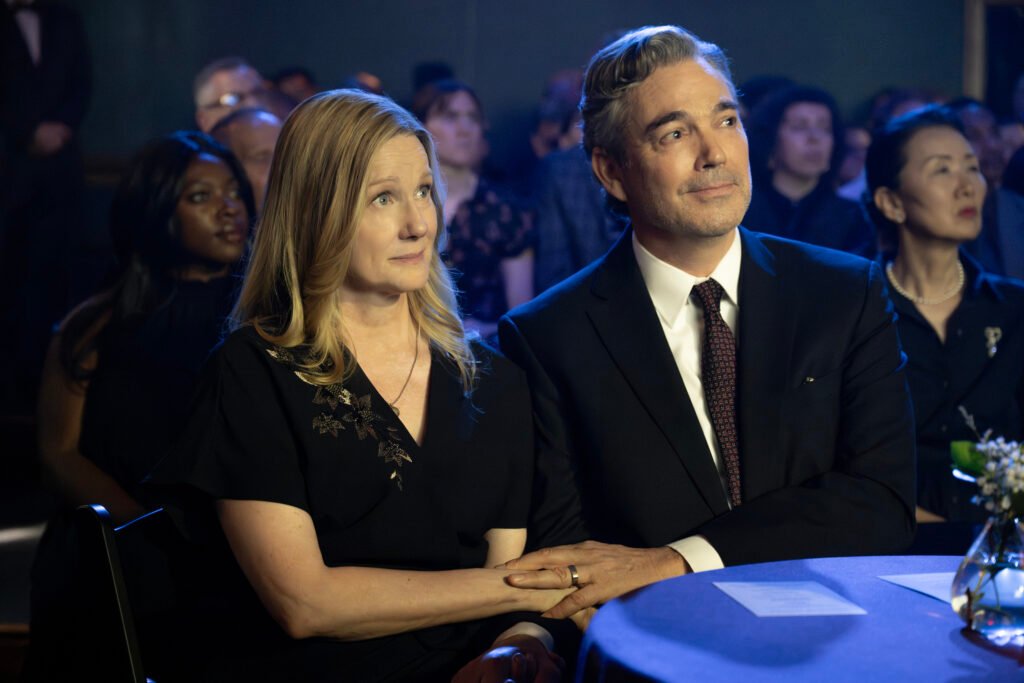
For a series supposedly devoted to the stage and all it can offer, it never feels devoted enough. Compare it to Tick, Tick… Boom!, which plays as a love letter to musical theatre and everyone drawn to it – those on stage, behind the scenes, or at home wishing they were anywhere near it. Even The Gilded Age honours its performers more fully, despite being set in its titular era rather than Broadway itself. American Classic honours the craft and casts enough Tony nominees and winners, certainly, but never wholeheartedly.
That is, until the final episode, where the series finally finds its footing, far too late to entice viewers back should a second series happen. Much of the instalment centres on the in-show production of Our Town. Here, the cast finally shines, though again Linney’s theatrical chops steal the spotlight as Mrs. Webb. Nell Verlaque also shows promise, stepping into the role of Emily.
Overall, American Classic tries, but not hard enough. It is sickly sweet and never quite convinces as a fully realised comedy drama. If you are a fan of Kevin Kline or Laura Linney, it may be worth a watch – but prepare to finish it wishing they had been given something better.