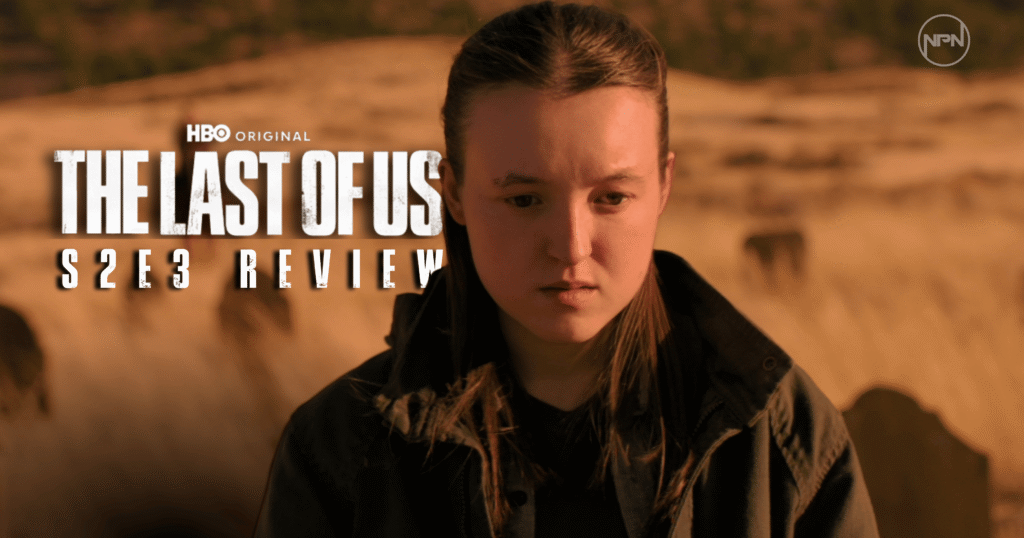
Following last week’s intense battle and the devastating confrontation with Abby that ended in Joel’s tragic murder, The Last of Us Season 2, Episode 3 delivers another powerful entry in an already gripping season.
For some, it might be hard to imagine the show moving forward without Pedro Pascal’s Joel. However, Bella Ramsey and Isabela Merced’s chemistry and performances do a remarkable job of filling the void his absence leaves behind. After a brief scene showing the cleanup efforts in Jackson and a heart-wrenching scream from Ellie as she processes Joel’s death, the story shifts again. Another time jump takes place, and we see Jackson three months later, slowly rebuilding and beginning to heal.
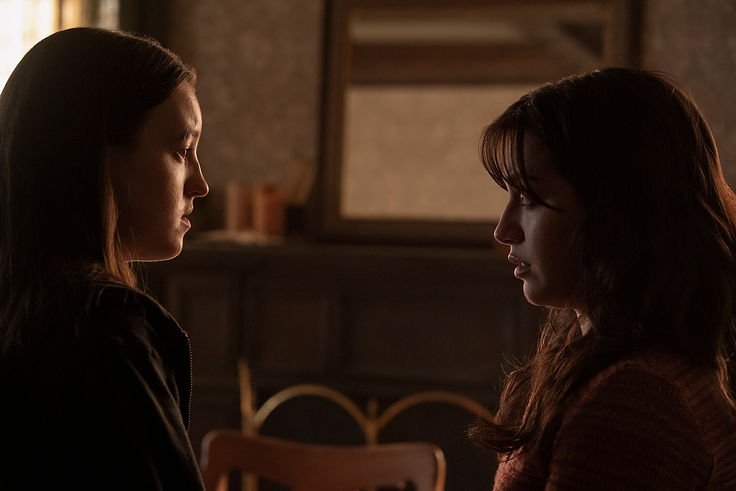
One thing this adaptation excels at is clearly establishing the characters’ motivations. While Ellie’s thirst for vengeance is entirely understandable following Joel’s brutal murder, Dina’s decision to join her is developed in a way that goes beyond the romantic bond depicted in the game. Here, Dina is Ellie’s supportive girlfriend, but she is also someone who shared a genuine friendship with Joel and is deeply affected by his loss. Dina’s presence grounds Ellie, and brings a sense of thoughtfulness and careful planning that balances out Ellie’s impulsive nature. Their partnership feels deeply authentic.
Another smart choice from the showrunners was the decision to incorporate the Infected attack on Jackson in the previous episode. This addition provides a believable reason why the townspeople don’t immediately seek retaliation against Abby’s group, as they are still recovering and focused on survival. It is the kind of thoughtful narrative decision that fills the gaps the original game left unexplored.
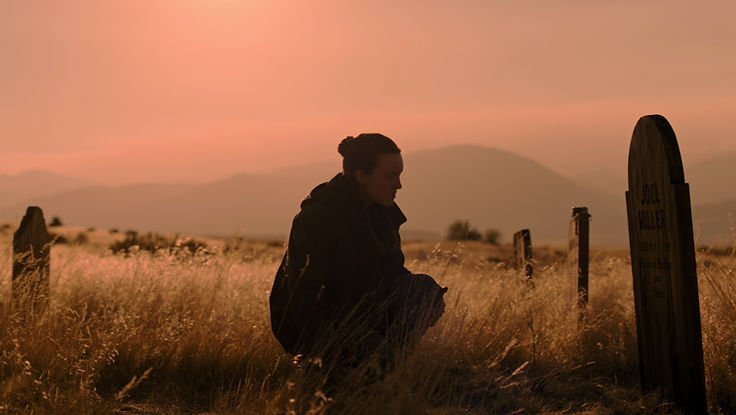
One of the heartbreaking scenes before Ellie leaves Jackson shows her visiting Joel’s grave. Without a single word spoken, Bella Ramsey masterfully conveys Ellie’s overwhelming grief, love, and unresolved pain, making the moment feel incredibly raw and powerful. It serves as a clear and heavy reminder of Joel’s lasting impact on Ellie and sets the emotional stakes for the journey she is about to undertake.
As Ellie and Dina set off on their journey toward Seattle, the episode takes time to breathe, allowing their lighter, more tender moments to shine through. Their interactions are filled with easy laughter, playful teasing, and a genuine warmth that feels natural and refreshingly real. For a little while, it almost feels like we’re watching two girls at a sleepover. They joke and Dina teasingly asks Ellie to rate their kiss… This is a moment so innocent and disarming that it feels like a tiny pocket of normalcy amid the chaos. These scenes are beautifully acted with chemistry and vulnerability, making it impossible not to root for them and fear for what dangers lie ahead.
En route to Seattle, we are introduced to the Seraphites, a religious cult… At first glance, they appear harmless enough, simply a group of survivors clinging to their faith in a broken world. But that illusion quickly disappears when Ellie and Dina stumble upon a horrifying sight: Seraphite men, women, and even children, brutally massacred and left to rot in the forest. For viewers unfamiliar with the game, the scene might feel confusing, a grim but isolated tragedy. However, for those who know the source material, the weight of this moment is undeniable because of the the pivotal role this faction will play in the story ahead. The show smartly builds an unsettling mystery around them… Why do they scar their faces? What does their cryptic symbol represent? And most disturbingly, why were they slaughtered without mercy, regardless of age? It’s a brutal warning sign for Ellie and Dina showing the violent and merciless world waiting for them beyond Jackson’s walls.
Episode three concludes with Ellie and Dina gazing upon Seattle’s skyline, reclaimed by nature, buildings overrun by moss and decay, yet teeming with danger. The intimidating presence of the Washington Liberation Front (WLF), patrolling the streets below, points at the imminent threats awaiting our protagonists.
While this episode is clearly a transitional one, setting the pieces in motion for the chaos to come, its slower pace feels earned. Rather than rushing into nonstop action, the show smartly focuses on emotional beats, character growth, and careful world-building. It’s a necessary breath before the storm. Episode three ultimately proves that even without Joel, The Last of Us remains an exceptionally compelling story. It is still raw, intricate, and heartbreakingly human, showing that its emotional core beats as strongly as ever.