

Hulu’s Furious, created by Elizabeth Meriwether, follows an FBI agent investigating a serial killer whose actions raise difficult questions about justice and revenge. The series stars Quincy Tyler Bernstine as Nora Washington, a veteran FBI agent whose struggles with alcoholism affect her professional life, and Steve Way as Alden Drummings, who develops a close bond with Catherine, his caregiver.
I spoke with Bernstine and Way about what drew them to Furious, the challenges of portraying their respective characters, and how they approached the complexities of their roles.
Furious brings together characters with very different perspectives on justice and morality. What drew you to this story, and what made it particularly compelling for you as actors?
Quincy Tyler Bernstine: From the moment I got the script and was asked if I wanted to audition, I was blown away by how complex all these characters were. I was so excited about telling a story about people we don’t often get to see in society. Female serial killers, for instance, are very rare in the world, and they’re rare in the media. I was really eager to participate in telling a new and unique story.
I was also excited about the possibility of playing Nora because I’d never read a character like her before. I was chomping at the bit to play her, so I was ecstatic when I was offered the role.
Steve Way: Yeah, I felt the same way. I knew Liz wrote Alden as a true, nuanced, disabled character. She would do him justice, and then she trusted me to bring myself to that role. Why wouldn’t I take that opportunity, especially when she wanted to write that role specifically for me? That’s an honor. So, yeah, of course I had to.
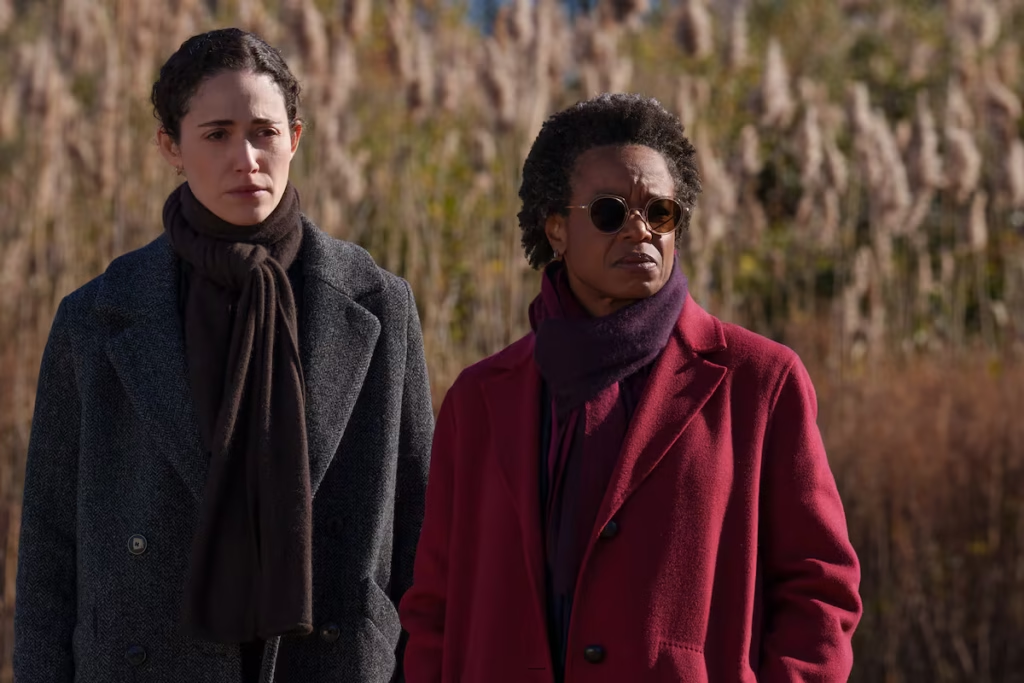
Nora is an experienced FBI agent whose work has taken a significant emotional toll, and the series also explores her struggles with alcohol. What interested you most about portraying that side of her while still showing her strength and authority as a leader?
Quincy Tyler Bernstine: The alcoholism, I’ll have to say, was really scary to me as an actor. It can be done really badly, and I was excited by the challenge of playing this broken character. It’s her courage, her shield, her armor. That’s what she uses to get through.
I was intrigued by trying to figure out how to play her because her alcoholism lives in this gray space where she’s always just a little bit drunk and always just a little bit hungover. It was about finding the nuance and the balance of that. As an actor, I was excited and scared to try to figure out how to do that. But I love playing flawed, broken human beings. That’s human, right? Figuring out how to be human on camera is what we do. That’s the goal.
Alden brings a different energy to a story filled with dark and intense situations. How did you approach balancing his humor with the vulnerability and emotional complexity of his relationship with Catherine?
Steve Way: I know Catherine just as Catherine for the majority of the show. That allowed me to focus on Catherine the individual, not Catherine the survivor or Catherine the murderer. When it all comes crashing down, he still wants to protect her and save her. So he’s going to use his comedic personality and his disability to help her stall and get a head start.
This interview has been edited for clarity.


